

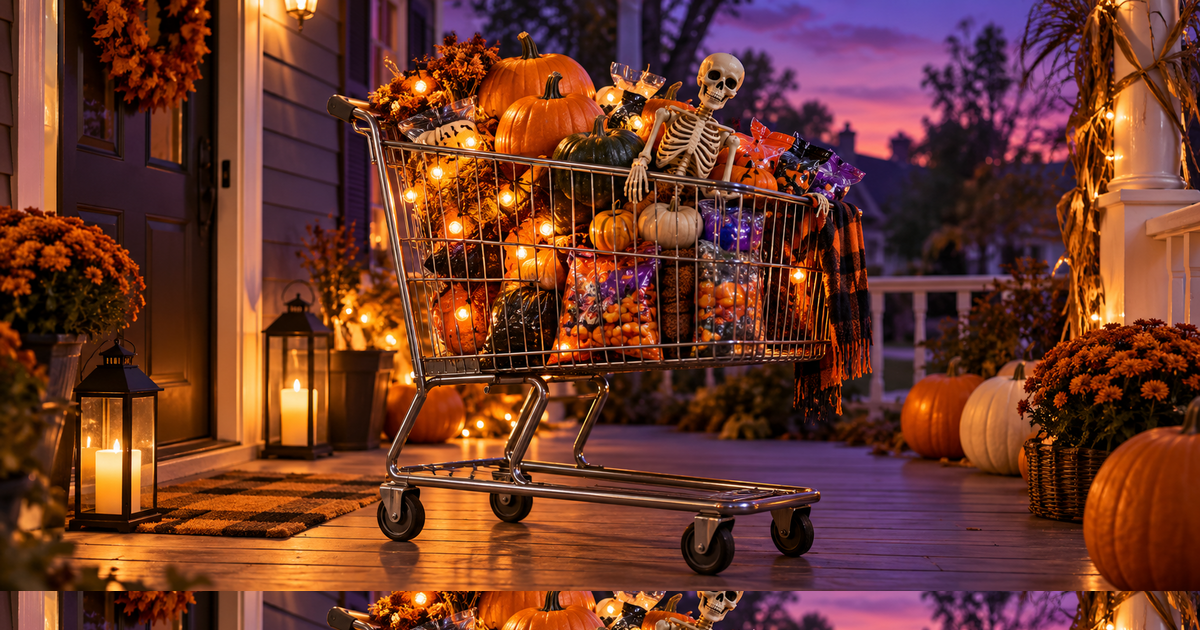
Halloween 2026 by the Numbers: Americans Expected to Spend a Record $13.5 Billion
The National Retail Federation expects Americans to spend a record $13.5 billion on Halloween in 2026, up from $13.1 billion last year, with the average celebrant planning to spend about $115.14. Decorations are the second-biggest category at roughly $4.3 billion, just behind costumes at $4.4 billion, and 74% of consumers say they plan to celebrate.
Halloween keeps growing, and the money is following the decorations. If you have been eyeing a giant skeleton, a porch full of props, or a few new outdoor Halloween decorations to keep the yard from looking like last year’s, the National Retail Federation’s 2026 survey is a useful reality check on where everyone else is putting their money. Here are the numbers, what is driving them, and how to use them to shop smarter.
How much will Americans spend on Halloween in 2026?
NRF’s annual Halloween survey, published September 22 and conducted September 1–9 with 7,889 consumers (margin of error of plus or minus 1.1 percentage points), projects total spending of $13.5 billion, a new record. Last year’s projection was $13.1 billion. Average per-person spending is projected at $115.14, compared with $114.45 last year, so most of the growth comes from more people joining in rather than each person spending dramatically more. 74% of consumers plan to celebrate, up from 73% last year and 68% in 2019.
NRF’s Allison Zeller summed up the mood: consumers continue to make Halloween a spending priority, but they are approaching the season with affordability in mind. That tension between enthusiasm and budget shows up in every category below.
Where is the Halloween money going?
The survey breaks spending into four buckets. Costumes and decorations are nearly tied at the top, and candy is close behind:
| Category | Share of consumers buying | Projected spending | Browse |
|---|---|---|---|
| Costumes (all) | 71% | $4.4 billion | Halloween costumes |
| Decorations | 78% | $4.3 billion | Halloween decorations |
| Candy | 96% | $4.1 billion | Halloween candy |
| Greeting cards | 42% | $0.8 billion | — |
Categories are rounded by NRF and are not meant to sum exactly to the headline total. The costume figure breaks down further into $1.5 billion on children’s costumes, $2 billion on adult costumes, and $920 million on pet costumes, and yes, pets outspend a lot of people’s greeting-card budgets.
What does the decor number mean for home haunters?
Nearly four in five consumers plan to buy decorations, which explains why big retailers keep pushing larger and more interactive pieces every year. The Home Depot, for example, launched its 2026 collection online on July 16 with a 12 ft giant skeleton priced at $299 that adds app-controlled servo motors and voice modulation, alongside sub-$300 giants like an 11 ft LED mummy. For the full picture of what the retailers rolled out, start with our Home Depot 2026 animatronics launch rundown and our best Halloween animatronics of 2026 buyer’s guide.
If the record spending makes you nervous about the price tags, the flip side is that budget-minded shoppers have plenty of options. Our smart shopping strategies for Halloween decor cover how to stretch a decor budget, and our 2026 haunt trends roundup shows where the season is heading so you can spend on what matters.
When are people shopping, and where?
Shopping is starting earlier. NRF found 49% of consumers begin their Halloween shopping in September or earlier, versus 34% a decade ago. Where they buy is more spread out than you might expect:
- Discount stores: 39% of shoppers
- Specialty Halloween and costume stores: 32%
- Online: 27%
- Local and small businesses: 13%, up from 7% in 2016
The practical takeaway: popular giants and character animatronics can sell out in stores well before Halloween, so if there is a centerpiece you want, waiting is a gamble. Retailers do not all price the same item the same way, so comparing a few sources before you buy is worth the extra ten minutes.
How are shoppers using AI for Halloween?
NRF reports that 47% of consumers plan to use AI tools for Halloween. 34% use them to brainstorm ideas and 32% for product research or recommendations. Online searches remain the top source of costume inspiration at 32%, down from 37% last year, while retail stores and costume shops came in at 26%.
What are the most popular costumes in 2026?
NRF’s top picks by group:
- Adults: witch (4.8 million), vampire (4.2 million), Batman (2 million), Spider-Man (1.5 million), ghost (1.4 million)
- Children: Spider-Man (4.6 million), superhero (2.3 million), princess (2.2 million), witch (1.6 million), ghost (1.6 million)
- Pets: pumpkin (11.6%), hot dog (5.9%), ghost (2.8%)
Frequently Asked Questions
How much will Americans spend on Halloween in 2026? The National Retail Federation projects a record $13.5 billion in total spending, up from $13.1 billion last year, with the average person spending about $115.14.
How many Americans celebrate Halloween? NRF found that 74% of consumers plan to celebrate Halloween in 2026, up from 73% last year and 68% in 2019.
What do people spend the most on for Halloween? Costumes lead at about $4.4 billion, followed closely by decorations at about $4.3 billion and candy at about $4.1 billion.
When do people start shopping for Halloween? About 49% of consumers start in September or earlier, compared with 34% a decade ago, according to NRF.
Where do people buy Halloween decorations? Discount stores lead at 39%, followed by specialty Halloween stores at 32% and online at 27%. Local and small businesses account for 13%.
Ready to plan your own display? Compare the best 2026 animatronics before the best pieces sell out.
As an Amazon Associate we may earn commission from qualifying purchases at no extra cost to you.
new in halloween animatronics
Our honest Spirit Halloween Mr. Dark review: a black-robed skeleton that pops up to nearly nine feet on a scissor lift for $370.99. We score it 3.9 of 5.
Our honest Spirit Halloween Electrified Corpse review: a wire-wrapped torso that violently shakes and screams overhead for $149.99. We score it 3.4 of 5.
Our honest Spirit Halloween Wind-Up Wally review: a creepy wind-up clown with a 360-degree spinning key and a pop-up scare for $185.99. We score it 3.5 of 5.
Find Haunted Houses in:
trending in haunt industry
Everything you need to know about East Coast Haunters Convention 2026 — dates, location, what to expect, haunt tours, seminars, and how to get tickets before prices increase.
HalloweenCostumes.com's 2026 Fan Design Program lets you design a real Halloween animatronic. Two winners get 10 props each plus 5% revenue. Submissions close April 30.
ShudderCon 2026 runs April 25–26 at Camp Jordan Arena in East Ridge, TN. Tickets from $15–$75. Here's the full preview for horror fans, haunt pros, and scare actors.